Meridia

Lost Key Lodge

Type: fishing_lodge | Status: discovered | Tier: standard | Fishiness: 5/5

All-inclusive fly-fishing and light-tackle lodge on Ragged Island in the Bahamas' remote Jumentos Cays, offering year-round access to bonefish, permit, and tarpon on the flats plus blue-water charters for marlin and wahoo. Minimal angler pressure and pristine fishery.

Lost Key Lodge operates from Duncan Town on Ragged Island, accessible by charter flight from Georgetown Exuma. The lodge accommodates up to 10 guests in 5 rooms and runs week-long all-inclusive programs centered on the Jumentos Cays and surrounding flats. The primary focus is shallow-water fly and light-tackle fishing for bonefish, permit, barracuda, and tarpon, with permit numbers peaking in spring on the southwest-side cays and ocean flats. The lodge also operates a 39-foot Hatteras convertible for blue-water charters targeting white and blue marlin, sailfish, wahoo, and tuna in nearby cuts and drops. Reef fishing for snapper and grouper rounds out the program. The remote location means virtually no angler pressure, preserving the fishery's productivity year-round.

Details

  • Tags: Lodge, Fly Fishing, Flats Fishing, Wade Fishing, Deep Sea Fishing, Inshore Fishing, Offshore Fishing, Spearfishing, Saltwater, All-Inclusive, Remote / Off-Grid, Independent, Dining / Restaurant, Bar, Gear Rental, Airport Transfer, Private Bathrooms, Snorkeling, Boat Trips, Solo Travelers, Big Groups, Beginner, Intermediate, Advanced, Seasoned Vet, Year-Round, Tropical, Coastal, Fly-In Only
  • Has Guides: No
  • Booking: request_quote
  • Min Stay: 7 nights
  • Logistics: Anglers are advised to spend Thursday night in Georgetown, Bahamas. Lodge arranges charter to Duncan Town ($850 pp round trip, not included).
  • Provides Gear: Yes — Full complement of blue water rods and reels (spin and stand-up) included for blue water charters.

Photos (20)

  • Photohttps://media.meridiaoutdoors.com/media/accommodation/lost-key-lodge/hero.webp
  • Photohttps://media.meridiaoutdoors.com/media/accommodation/lost-key-lodge/gallery-002.webp
  • Photohttps://media.meridiaoutdoors.com/media/accommodation/lost-key-lodge/gallery-003.webp
  • Photohttps://media.meridiaoutdoors.com/media/accommodation/lost-key-lodge/gallery-004.webp
  • Photohttps://media.meridiaoutdoors.com/media/accommodation/lost-key-lodge/gallery-005.webp
  • YGLR4832https://media.meridiaoutdoors.com/media/accommodation/lost-key-lodge/gallery-006.webp
  • Photohttps://media.meridiaoutdoors.com/media/accommodation/lost-key-lodge/gallery-007.webp
  • GPNI3671https://media.meridiaoutdoors.com/media/accommodation/lost-key-lodge/gallery-008.webp
  • _DSC7707https://media.meridiaoutdoors.com/media/accommodation/lost-key-lodge/gallery-009.webp
  • IMG_1152https://media.meridiaoutdoors.com/media/accommodation/lost-key-lodge/gallery-010.webp
  • https://lostkeylodge.com/wp-content/uploads/2026/01/DSC2311.jpghttps://media.meridiaoutdoors.com/media/accommodation/lost-key-lodge/gallery-011.webp
  • Photohttps://media.meridiaoutdoors.com/media/accommodation/lost-key-lodge/gallery-012.webp
  • https://lostkeylodge.com/wp-content/uploads/2025/12/DJI_20250316112402_0054_D-copy.jpghttps://media.meridiaoutdoors.com/media/accommodation/lost-key-lodge/gallery-013.webp
  • LCTW3411https://media.meridiaoutdoors.com/media/accommodation/lost-key-lodge/gallery-014.webp
  • https://lostkeylodge.com/wp-content/uploads/2024/05/BGrossenbacher-4388-scaled.jpghttps://media.meridiaoutdoors.com/media/accommodation/lost-key-lodge/gallery-015.webp
  • IMG_9532https://media.meridiaoutdoors.com/media/accommodation/lost-key-lodge/gallery-016.webp
  • _DSC7713https://media.meridiaoutdoors.com/media/accommodation/lost-key-lodge/gallery-017.webp
  • https://lostkeylodge.com/wp-content/uploads/2026/01/DJI_20251116104409_0043_D-2.jpghttps://media.meridiaoutdoors.com/media/accommodation/lost-key-lodge/gallery-018.webp
  • https://lostkeylodge.com/wp-content/uploads/2025/08/DJI_20240330132326_0060_D.jpghttps://media.meridiaoutdoors.com/media/accommodation/lost-key-lodge/gallery-019.webp
  • KBXB5657https://media.meridiaoutdoors.com/media/accommodation/lost-key-lodge/gallery-020.webp

FAQ — Lost Key Lodge

Linked Destinations (2)

NameTypeRelationshipDistance
Bahamascountryin_region
Cubacountrynearby

Species (13)

Common NameScientific NameCategory
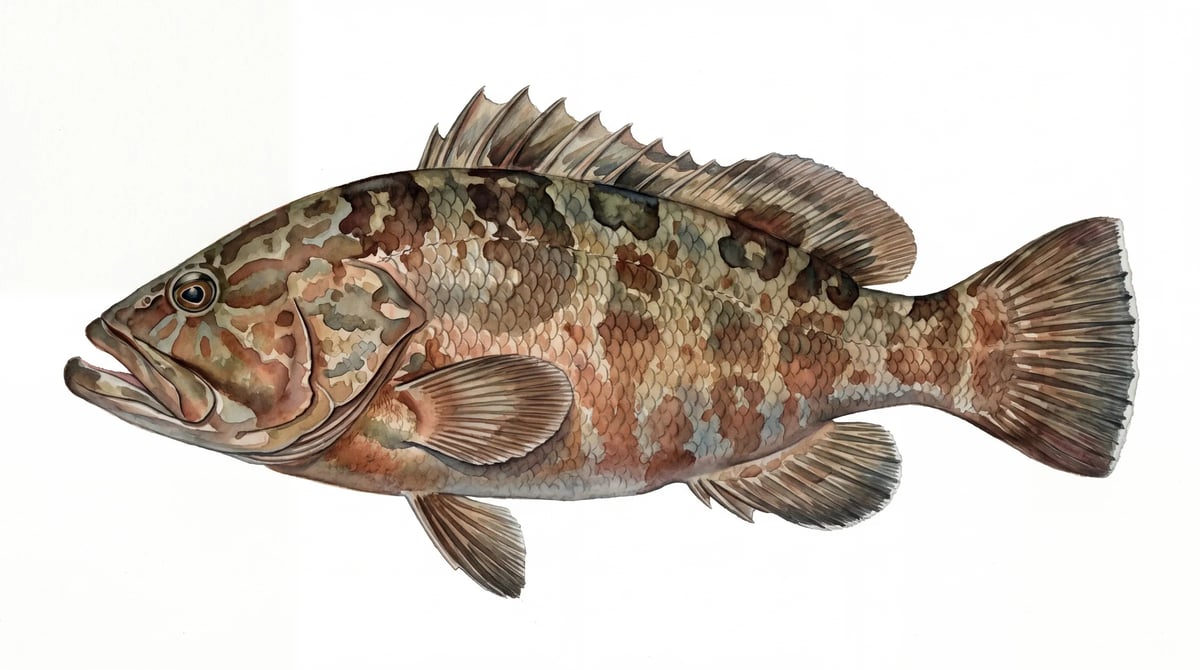
GrouperEpinephelus spp.saltwater
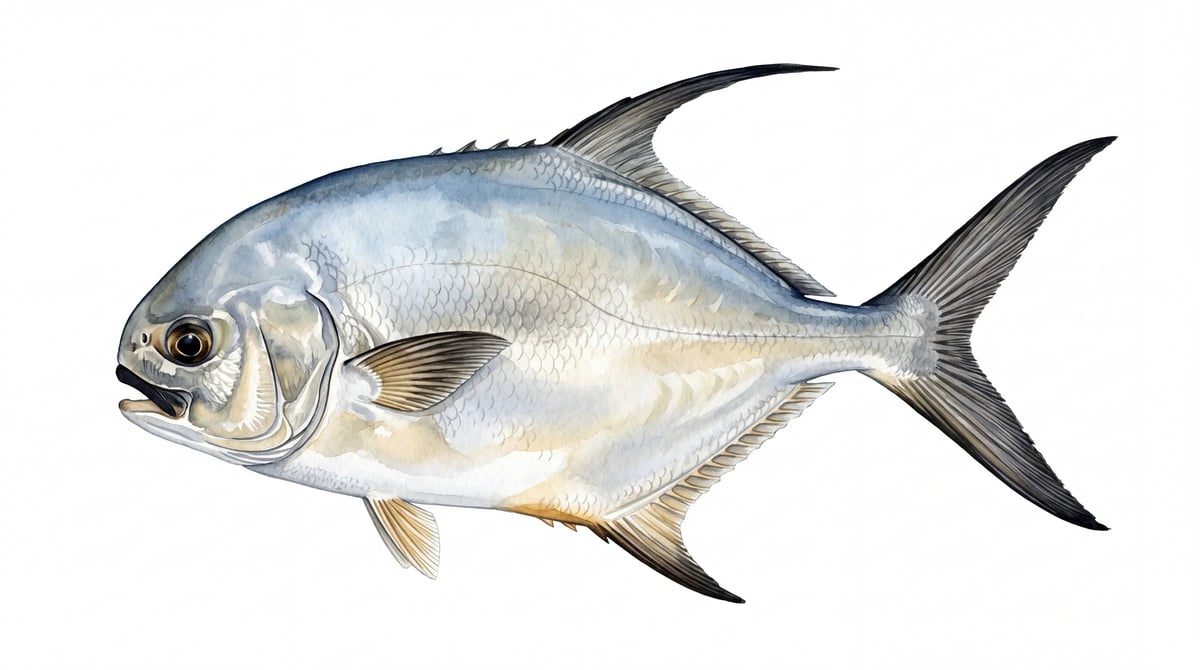
PermitTrachinotus falcatussaltwater
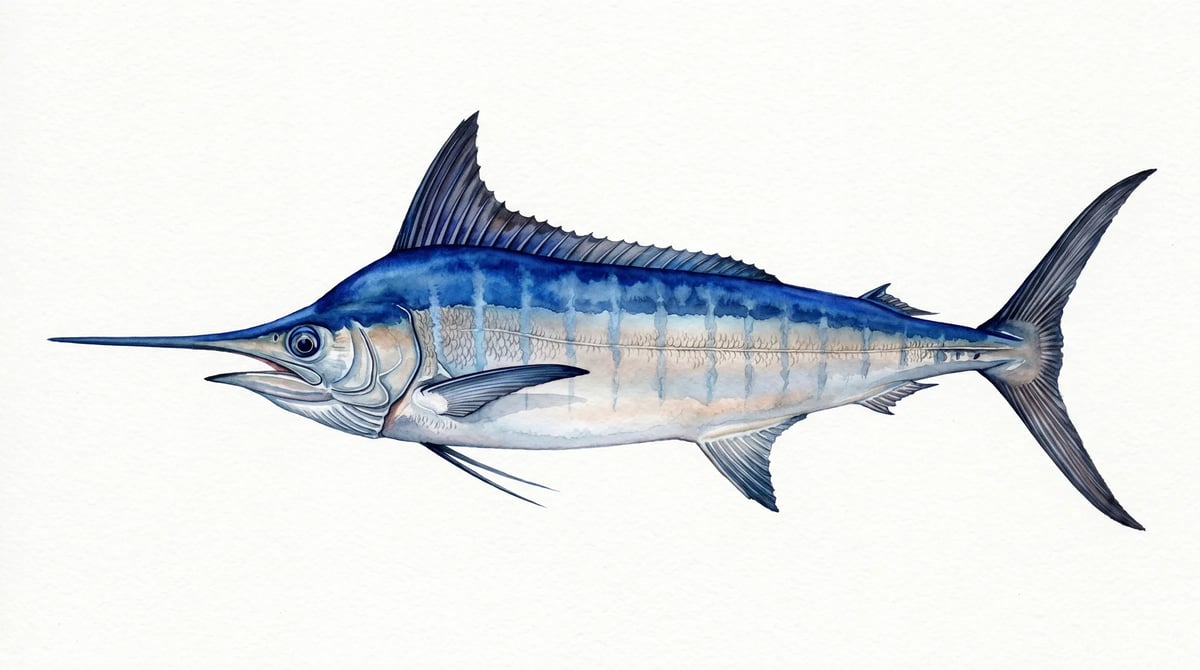
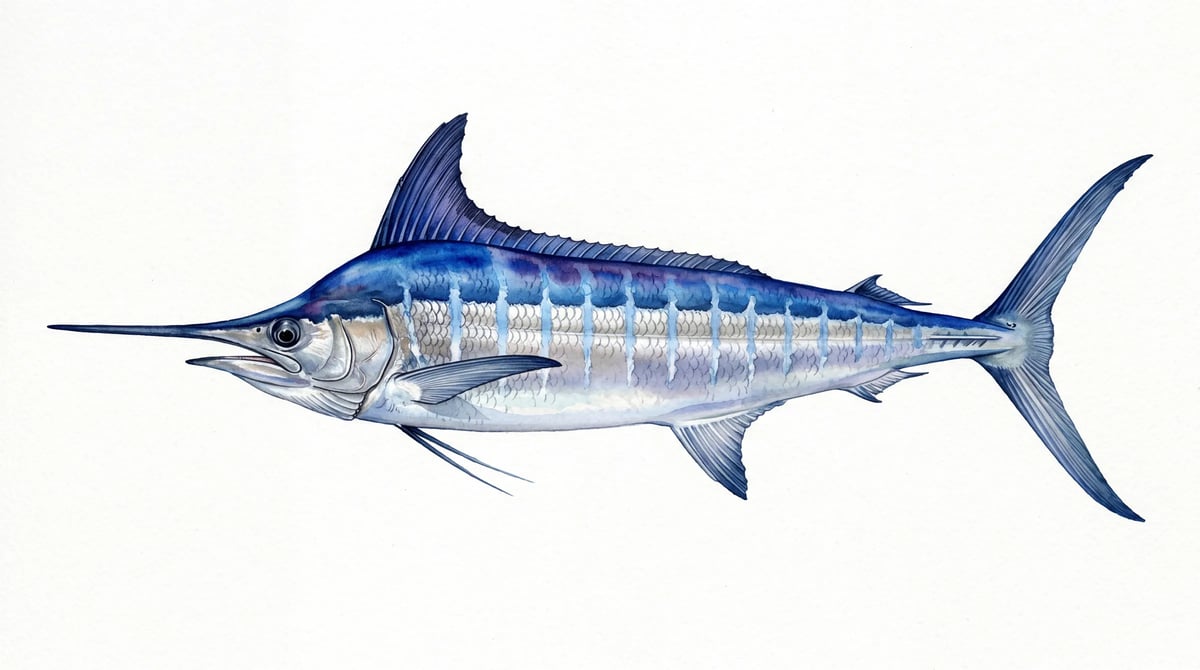
Blue MarlinMakaira nigricanssaltwater
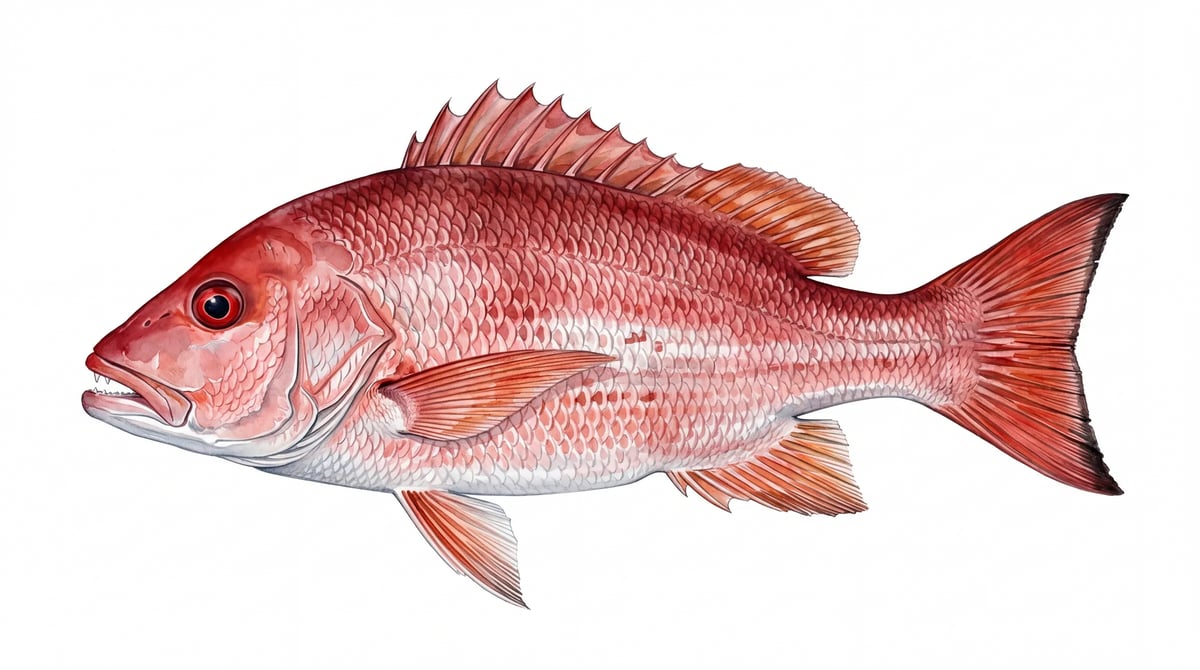
Red SnapperLutjanus campechanussaltwater
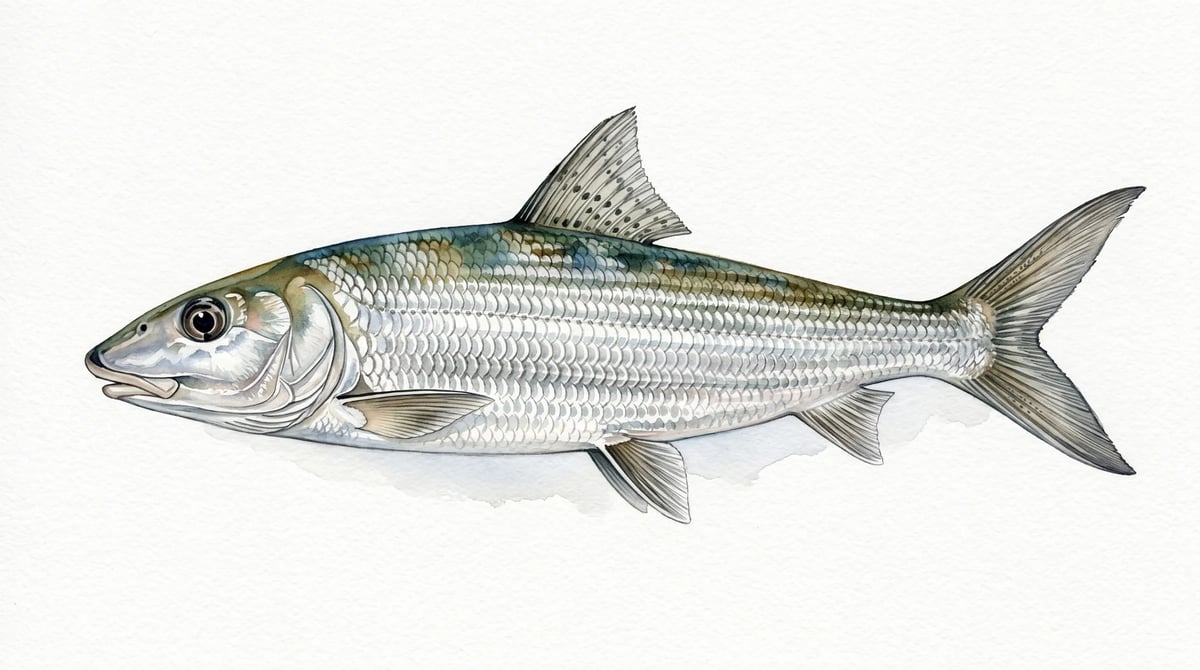
BonefishAlbula vulpessaltwater
White MarlinKajikia albidasaltwater
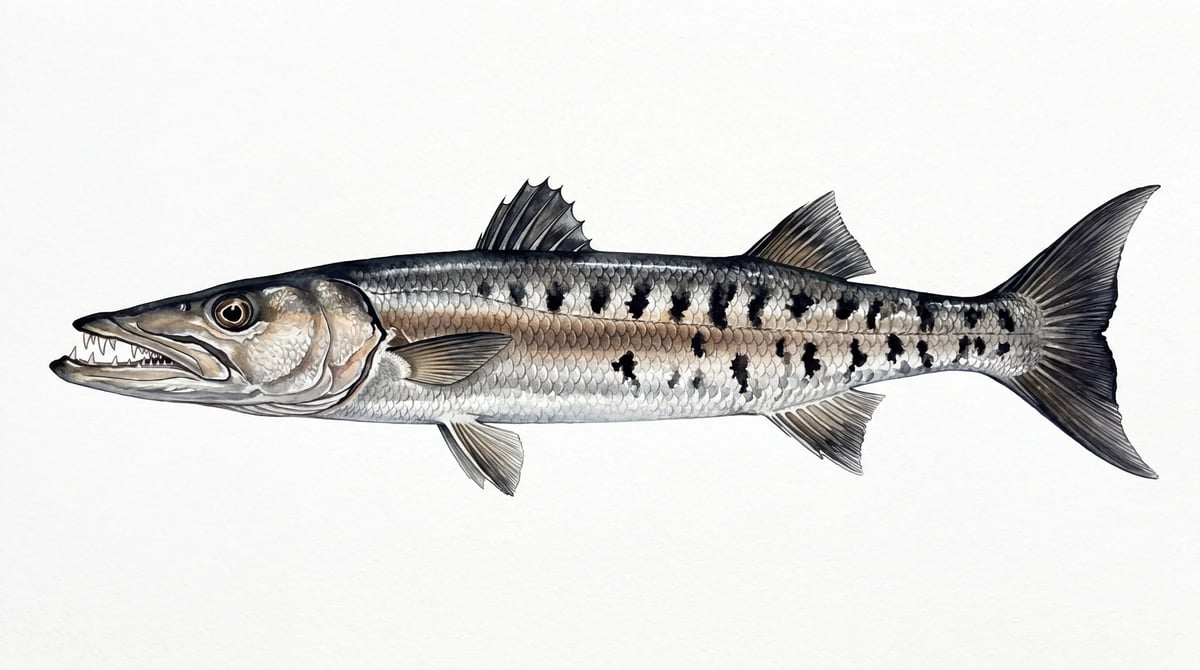
BarracudaSphyraena barracudasaltwater
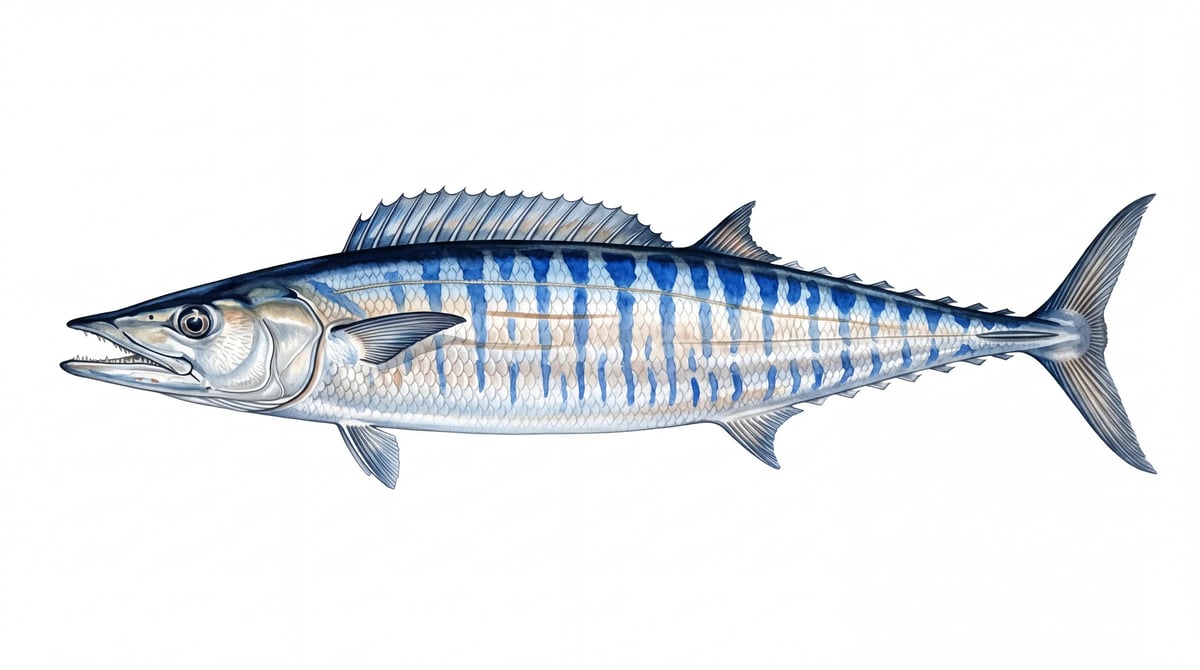
WahooAcanthocybium solandrisaltwater
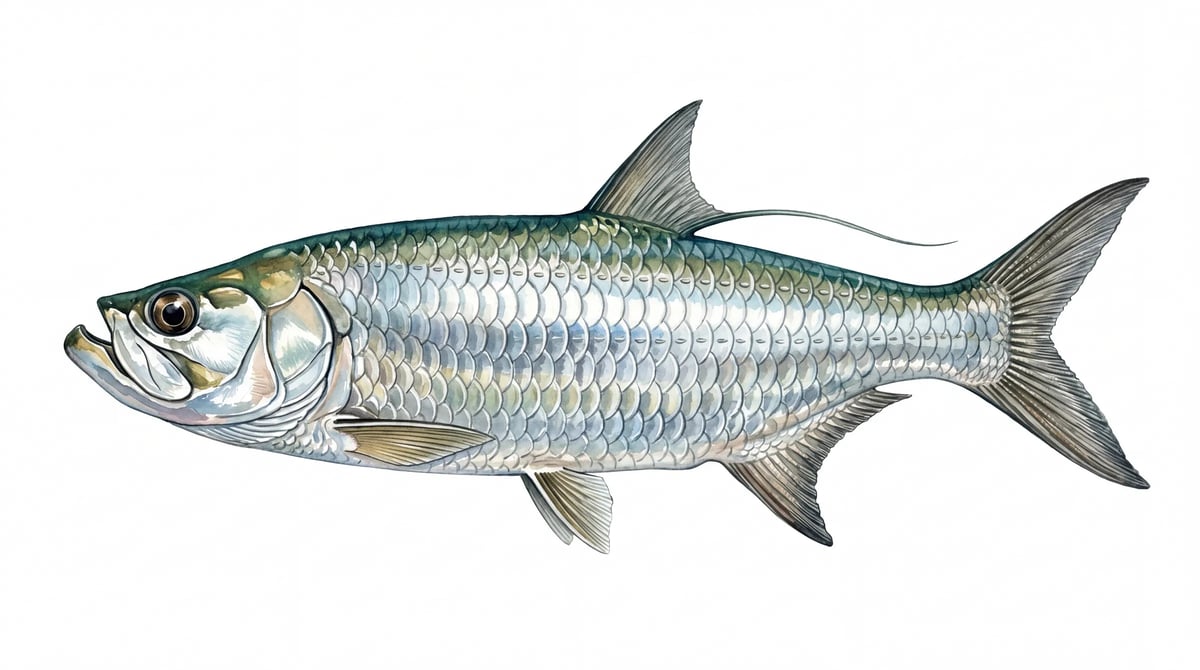
TarponMegalops atlanticussaltwater
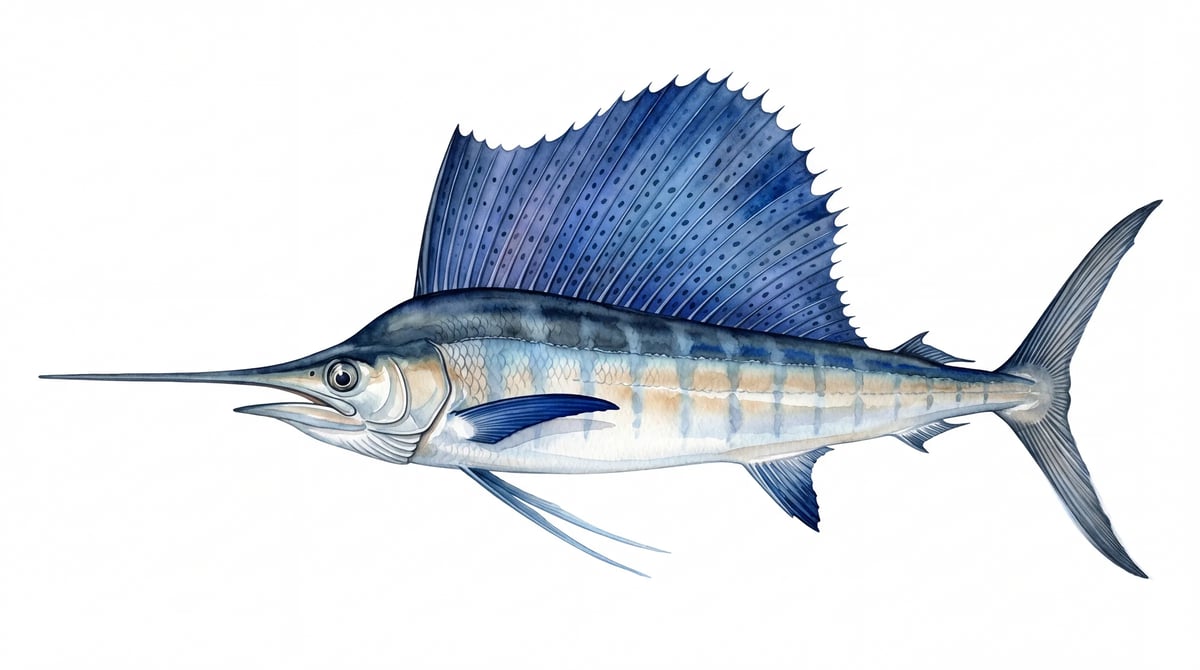
SailfishIstiophorus platypterussaltwater
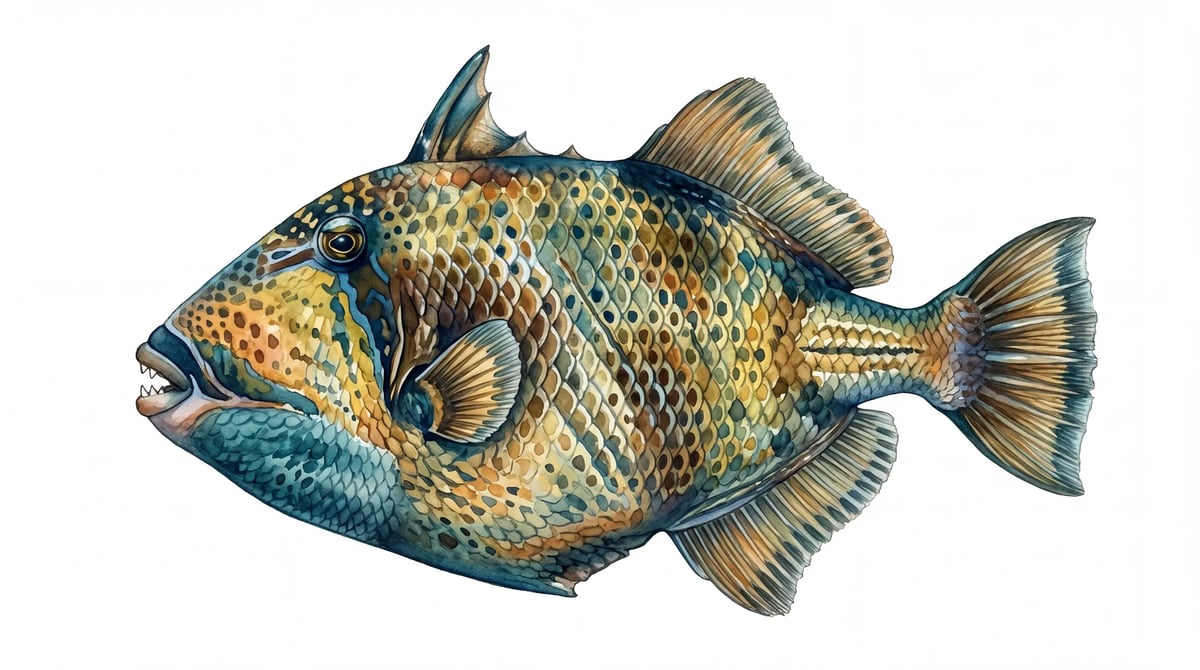
TriggerfishBalistidae spp.saltwater
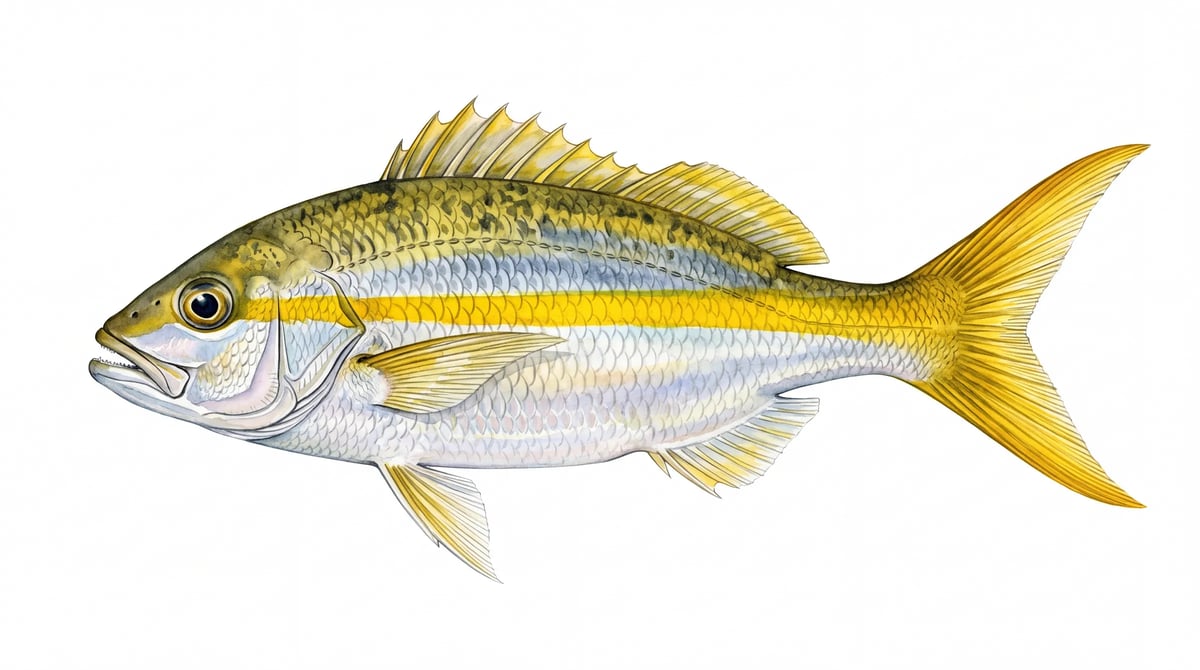
Yellowtail SnapperOcyurus chrysurussaltwater
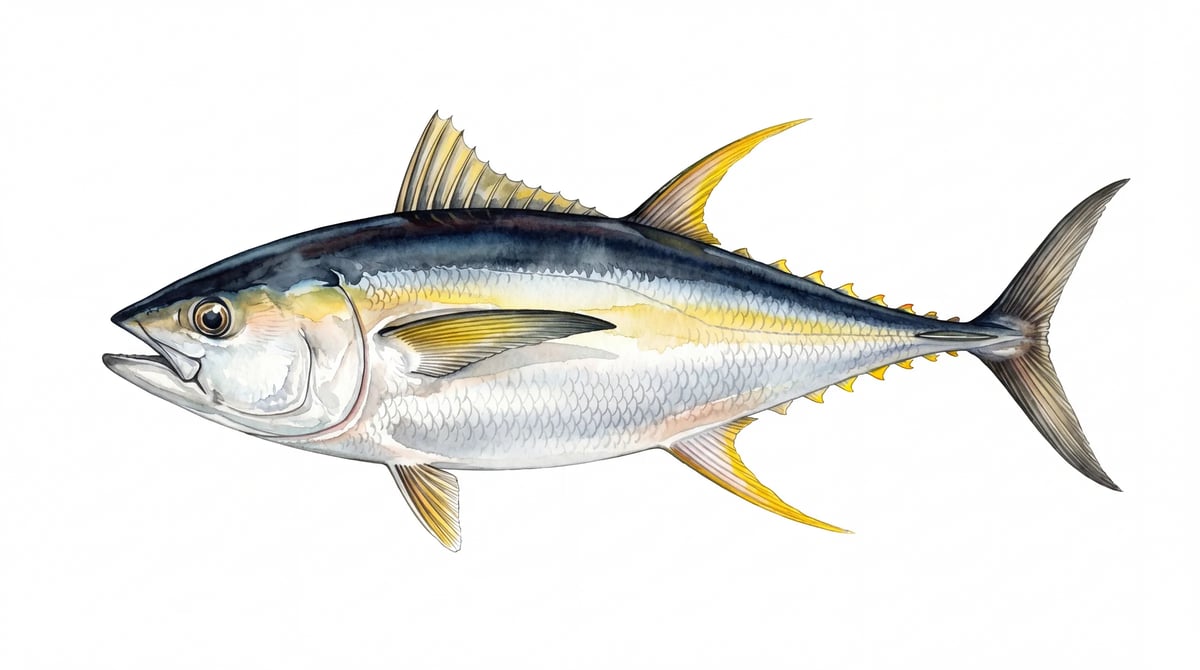
Yellowfin TunaThunnus albacaressaltwater

Rooms (1)

NameSleepsBed ConfigBathroomsAccessible
Guest RoomNo
Raw accommodation data (JSON)
{
  "id": "aee67f35-4d98-426e-9ab5-38e68fd04c6c",
  "organizationId": "a6498520-baf4-4f84-bee9-2dfc241ece10",
  "name": "Lost Key Lodge",
  "slug": "lost-key-lodge",
  "type": "fishing_lodge",
  "status": "discovered",
  "profileTier": "standard",
  "descriptionShort": "All-inclusive fly-fishing and light-tackle lodge on Ragged Island in the Bahamas' remote Jumentos Cays, offering year-round access to bonefish, permit, and tarpon on the flats plus blue-water charters for marlin and wahoo. Minimal angler pressure and pristine fishery.",
  "descriptionLong": "Lost Key Lodge operates from Duncan Town on Ragged Island, accessible by charter flight from Georgetown Exuma. The lodge accommodates up to 10 guests in 5 rooms and runs week-long all-inclusive programs centered on the Jumentos Cays and surrounding flats. The primary focus is shallow-water fly and light-tackle fishing for bonefish, permit, barracuda, and tarpon, with permit numbers peaking in spring on the southwest-side cays and ocean flats. The lodge also operates a 39-foot Hatteras convertible for blue-water charters targeting white and blue marlin, sailfish, wahoo, and tuna in nearby cuts and drops. Reef fishing for snapper and grouper rounds out the program. The remote location means virtually no angler pressure, preserving the fishery's productivity year-round.",
  "whyBook": "Remote Bahamas lodge with untouched flats for permit and bones, plus blue-water access to marlin and wahoo.",
  "fishinessRating": 5,
  "addressLine1": null,
  "addressLine2": null,
  "city": "Duncan Town",
  "stateProvince": "Ragged Island",
  "postalCode": null,
  "countryCode": "BS",
  "timezone": "UTC-4",
  "nearestAirport": "Georgetown Exuma (GGT)",
  "googlePlaceId": "ChIJQTcDUj3ZMokR9rcBfuXIEw8",
  "contactName": null,
  "priceRange": "$4,995.00/week",
  "rating": "5.0",
  "reviewCount": 3,
  "maxGuests": 10,
  "numberOfRooms": 5,
  "hasGuides": false,
  "hasHunting": false,
  "hasBoats": true,
  "isLuxury": false,
  "guidedTrips": true,
  "allInclusive": true,
  "hasAircraft": false,
  "seasons": null,
  "openMonths": [
    1,
    2,
    3,
    4,
    5,
    6,
    7,
    8,
    9,
    10,
    11,
    12
  ],
  "peakMonths": null,
  "fishingSeasonsNarrative": "Lost Key Lodge offers a unique, year-round fishing experience in the Jumentos Cays, emphasizing the untouched nature of this Bahamian fishery. While the lodge operates continuously, the fishing is driven by the presence and behavior of its primary quarry. The lodge's remote location means that angler pressure is virtually non-existent, allowing for a pristine environment where fish populations thrive.\n\nThe focus is on the flats and nearshore waters, where Bonefish, Permit, and Barracuda are the stars. Bonefish are present throughout the year, with the lodge highlighting that the best time to visit is simply 'when you can,' as weather is a more significant variable than the month. However, the text does mention that Permit numbers increase significantly during specific periods in the spring season, particularly in nearshore cays on the southwest side and ocean flats. Barracuda are also a consistent target, readily available for anglers seeking aggressive strikes.\n\nBeyond the flats, the lodge also offers deep-sea fly fishing for pelagic species like Tuna, Wahoo, Dolphin (Mahi-Mahi), and Billfish (White or Blue Marlin, Sailfish). Reef fishing is also exceptional, with abundant Snappers and Groupers. While specific peak months for these offshore species are not detailed, the lodge's 39-foot Hatteras convertible is available for blue water charters, with cuts and drops for large fish being close to the island, minimizing long runs.",
  "whatsIncluded": [
    "Single-occupancy lodging",
    "All meals",
    "Drinks (soft drinks, juice, limited beer)",
    "Daily guided fishing",
    "Use of lodge rods and reels for blue water charters"
  ],
  "whatsNotIncluded": [
    "Charter to Duncan Town ($850 pp round trip)",
    "Specific liquors",
    "Flights to Georgetown Exuma (GGT)",
    "Thursday night accommodation in Georgetown"
  ],
  "checkIn": null,
  "checkOut": null,
  "minStay": 7,
  "logisticsNotes": "Anglers are advised to spend Thursday night in Georgetown, Bahamas. Lodge arranges charter to Duncan Town ($850 pp round trip, not included).",
  "providesGear": true,
  "gearNotes": "Full complement of blue water rods and reels (spin and stand-up) included for blue water charters.",
  "cancellationPolicy": null,
  "termsConditions": null,
  "canonicalUrl": "https://lostkeylodge.com/",
  "bookingUrl": null,
  "bookingType": "request_quote",
  "hasTripAdvisor": false,
  "hasGoogleMaps": true,
  "tripAdvisorUrl": null,
  "googleMapsUrl": "https://maps.google.com/?cid=1086432823113529334&g_mp=CiVnb29nbGUubWFwcy5wbGFjZXMudjEuUGxhY2VzLkdldFBsYWNlEAIYBCAA",
  "socialInstagram": "https://www.instagram.com/lostkeylodge",
  "socialFacebook": "https://www.facebook.com/Lost-Key-Lodge-121221245939296",
  "socialYoutube": null,
  "awards": null,
  "fishingTypes": [
    "fly fishing",
    "wade fishing",
    "flats fishing",
    "deep sea fishing",
    "reef fishing",
    "spearfishing"
  ],
  "languages": null,
  "bestFor": [
    "fly-fishing",
    "inshore",
    "offshore",
    "trophy-fish",
    "all-inclusive"
  ],
  "searchAliases": null,
  "qualityTier": "excellent",
  "highValue": true,
  "thinData": false,
  "possiblyClosed": false,
  "source": "pipeline",
  "sourceUrl": "https://lostkeylodge.com/",
  "metadata": {
    "experience": {
      "hasBar": true,
      "alcoholIncluded": true,
      "diningDescription": "All food and drinks for the week are included, including soft drinks, juice, and limited beer. Specific liquors should be brought by the guest.",
      "nonFishingActivities": [
        "snorkeling",
        "spearfishing"
      ]
    },
    "seasonsExtraction": {
      "resolved": 12,
      "unmatched": [
        "Tuna",
        "Dolphin (Mahi-Mahi)"
      ],
      "confidence": "medium",
      "extractedAt": "2026-05-15T17:35:17.530Z",
      "sourcePages": 7
    },
    "packagesExtraction": {
      "seasons": 3,
      "packages": 1,
      "priceRows": 0,
      "components": 2,
      "confidence": "high",
      "extractedAt": "2026-05-15T17:35:50.564Z",
      "sourcePages": 7,
      "roomUpgrades": 0,
      "invalidBoatIds": [],
      "droppedPriceRows": 0
    }
  },
  "dateFounded": null,
  "pipelineId": 1589,
  "createdAt": "2026-05-27T13:18:21.848Z",
  "updatedAt": "2026-05-27T19:32:00.284Z",
  "rooms": [
    {
      "id": "f221df36-36b1-43d6-aaf9-43dc174cf2e4",
      "accommodationId": "aee67f35-4d98-426e-9ab5-38e68fd04c6c",
      "name": "Guest Room",
      "slug": "guest-room",
      "sleeps": null,
      "bedConfig": null,
      "bathrooms": null,
      "amenities": [
        "air-conditioning",
        "private-bathrooms"
      ],
      "description": "All rooms are air conditioned, with tile floors and private baths with showers. Single room occupancy is offered to our anglers.",
      "pricePerNight": null,
      "photos": null,
      "features": null,
      "accessible": false,
      "sortOrder": 0,
      "quantity": 5,
      "tier": "standard",
      "singleSupplement": false,
      "pipelineId": 429,
      "createdAt": "2026-05-27T13:18:21.848Z",
      "updatedAt": "2026-05-27T19:32:00.284Z"
    }
  ],
  "accommodationSpecies": [
    {
      "id": "024a88d6-ce07-40a7-be9e-7a9c1dfb9621",
      "accommodationId": "aee67f35-4d98-426e-9ab5-38e68fd04c6c",
      "speciesId": "2d3a083d-6e02-4ab6-a1b2-81ceccf5c05a",
      "notes": null,
      "source": "editorial",
      "availableMonths": [
        1,
        2,
        3,
        4,
        5,
        6,
        7,
        8,
        9,
        10,
        11,
        12
      ],
      "peakMonths": null,
      "seasonalityNotes": "Grouper are abundant along the reefs surrounding Lost Key Lodge, offering excellent reef fishing.",
      "isPrimary": false,
      "pipelineId": 4233,
      "createdAt": "2026-05-27T13:18:21.848Z",
      "updatedAt": "2026-05-27T19:32:00.284Z",
      "species": {
        "id": "2d3a083d-6e02-4ab6-a1b2-81ceccf5c05a",
        "commonName": "Grouper",
        "scientificName": "Epinephelus spp.",
        "slug": "grouper",
        "category": "saltwater",
        "description": "The grouper is a quintessential brute of the reef, a fish built for power over speed. Its body is thick and robust, with a broad head, large mouth, and a sloping profile that tapers to a rounded tail. Most species exhibit a mottled or camouflaged pattern—think shades of brown, green, gray, or reddish-brown with darker spots, bars, or blotches that blend seamlessly into the rocky or coral bottom. Size varies dramatically by species and location, ranging from modest 5-pounders to true leviathans that can exceed 500 pounds, like the Goliath grouper. Anglers will immediately recognize the heavy, dogged pull on the line and, once boated, the rough, sandpaper-like skin and impressive girth that makes hoisting one a two-handed affair.\n\nGrouper inhabit warm, tropical, and subtropical waters worldwide, favoring structured environments where they can ambush prey. You'll find them lurking around coral reefs, rocky outcrops, shipwrecks, ledges, and drop-offs in depths from shallow flats to several hundred feet. Prime fisheries include the Florida Keys and Gulf of Mexico for species like red and black grouper, the Caribbean islands for Nassau and tiger grouper, and the Indo-Pacific regions such as Australia's Great Barrier Reef or the Seychelles, where giant species roam. For anglers planning a trip, think bottom fishing with heavy tackle near hard structure—it's a game of precision and patience.\n\nAnglers target grouper for the sheer, unrelenting fight—a battle that feels more like wrestling a submerged log than chasing a sprinting fish. Once hooked, they dive straight for the rocks, using their bulk to test every knot and muscle, making landing one a trophy-worthy achievement. Beyond the sport, they're prized for their firm, white flesh, ideal for grilling or frying, though conservation-minded anglers often practice catch-and-release for larger, slow-growing species. In the fishing world, grouper symbolize the raw power of the deep, a bucket-list quarry for anyone seeking a true test of strength and tackle on a saltwater adventure.",
        "aliases": [
          "goliath grouper",
          "black grouper",
          "gag grouper"
        ],
        "imageUrl": "https://media.meridiaoutdoors.com/media/species/grouper/main.webp",
        "metadata": null,
        "pipelineId": 64,
        "createdAt": "2026-05-09T17:54:26.510Z",
        "updatedAt": "2026-05-09T22:30:33.499Z"
      }
    },
    {
      "id": "3d2c4cb2-1a60-4344-bb57-b740f7596e16",
      "accommodationId": "aee67f35-4d98-426e-9ab5-38e68fd04c6c",
      "speciesId": "462ad04d-a078-4594-ad25-3494e571c32a",
      "notes": null,
      "source": "editorial",
      "availableMonths": [
        3,
        4,
        5,
        6,
        7,
        8,
        9,
        10,
        11,
        12,
        1,
        2
      ],
      "peakMonths": [
        3,
        4,
        5
      ],
      "seasonalityNotes": "Permit are present in good numbers and size, generally 15-30 lbs. Their inshore numbers increase significantly during specific periods in the spring season, particularly in nearshore cays on the southwest side and ocean flats. They are best targeted using a 10-weight rod and can be caught while wading.",
      "isPrimary": false,
      "pipelineId": 4226,
      "createdAt": "2026-05-27T13:18:21.848Z",
      "updatedAt": "2026-05-27T19:32:00.284Z",
      "species": {
        "id": "462ad04d-a078-4594-ad25-3494e571c32a",
        "commonName": "Permit",
        "scientificName": "Trachinotus falcatus",
        "slug": "permit",
        "category": "saltwater",
        "description": "Permit are the aristocrats of the flat, silver-brushed with gold. Their bodies are a study in hydrodynamic perfection—tall, deeply forked tails and elongated dorsal fins that collapse into sleek profiles when they run. They are built for speed and immense bursts of power. While smaller 'cocktail' permit average 5-10 pounds, true trophies push over 30, with the record exceeding 50. In hand, anglers seek the telltale orange-gold wash on the throat and belly, the scythe-like anal and dorsal fins, and the deeply concave head that gives them a distinctly pensive, almost intelligent, profile against the white sand. Their scales are large, brilliant chrome, and can flash opalescent greens and blues in certain lights.",
        "aliases": [
          "Round Pompano",
          "Great Pompano",
          "Palometa",
          "Pomp",
          "Permo",
          "Torro",
          "Permit Jack"
        ],
        "imageUrl": "https://media.meridiaoutdoors.com/media/species/permit/main.webp",
        "metadata": null,
        "pipelineId": 58,
        "createdAt": "2026-05-09T17:54:23.402Z",
        "updatedAt": "2026-05-09T22:30:27.600Z"
      }
    },
    {
      "id": "ee49225b-f4d8-4d4e-a241-c6cfb8169ff5",
      "accommodationId": "aee67f35-4d98-426e-9ab5-38e68fd04c6c",
      "speciesId": "47120002-a5e0-46e1-a2e0-72b2ec0ce4fc",
      "notes": null,
      "source": "editorial",
      "availableMonths": [
        1,
        2,
        3,
        4,
        5,
        6,
        7,
        8,
        9,
        10,
        11,
        12
      ],
      "peakMonths": null,
      "seasonalityNotes": "Blue Marlin are available for deep-sea fly fishing. They are released to fight again.",
      "isPrimary": false,
      "pipelineId": 4230,
      "createdAt": "2026-05-27T13:18:21.848Z",
      "updatedAt": "2026-05-27T19:32:00.284Z",
      "species": {
        "id": "47120002-a5e0-46e1-a2e0-72b2ec0ce4fc",
        "commonName": "Blue Marlin",
        "scientificName": "Makaira nigricans",
        "slug": "blue-marlin",
        "category": "saltwater",
        "description": "The blue marlin is the undisputed aristocrat of the offshore angling world, a creature that embodies pure ocean power in its form. Its body is a masterpiece of hydrodynamic engineering: a deep, cobalt-blue back fading to a silvery-white belly, elongated dorsal fin, and a spear-like bill that cuts through the water. True giants can exceed 14 feet and push 1,500 pounds, though fish from 300 to 800 pounds are the typical quarry. On the line, the sheer scale and the distinct, rigid bill are unmistakable; in hand, the vibrant lateral line stripes and the muscular shoulders of a fighter are the hallmarks of a true trophy.",
        "aliases": [
          "marlin",
          "The Blue",
          "Grander",
          "Cow",
          "Marlin Blue",
          "Makaira",
          "Big Blue",
          "Swagger"
        ],
        "imageUrl": "https://media.meridiaoutdoors.com/media/species/blue-marlin/main.webp",
        "metadata": null,
        "pipelineId": 43,
        "createdAt": "2026-05-09T17:54:16.296Z",
        "updatedAt": "2026-05-09T22:30:14.451Z"
      }
    },
    {
      "id": "aa5a4489-6853-4d62-8e06-ec7f40257744",
      "accommodationId": "aee67f35-4d98-426e-9ab5-38e68fd04c6c",
      "speciesId": "626ed98e-f879-45ce-b63f-4866624c15fb",
      "notes": null,
      "source": "editorial",
      "availableMonths": [
        1,
        2,
        3,
        4,
        5,
        6,
        7,
        8,
        9,
        10,
        11,
        12
      ],
      "peakMonths": null,
      "seasonalityNotes": "Large Snappers are abundant along the reefs surrounding Lost Key Lodge, offering excellent reef fishing.",
      "isPrimary": false,
      "pipelineId": 4232,
      "createdAt": "2026-05-27T13:18:21.848Z",
      "updatedAt": "2026-05-27T19:32:00.284Z",
      "species": {
        "id": "626ed98e-f879-45ce-b63f-4866624c15fb",
        "commonName": "Red Snapper",
        "scientificName": "Lutjanus campechanus",
        "slug": "red-snapper",
        "category": "saltwater",
        "description": "The red snapper is a quintessential trophy for bottom fishermen, immediately recognizable by its vibrantly colored, muscular frame. It boasts a rich, deep red to pinkish hue over much of its body, which transitions to a silvery-white underbelly. Its most striking feature is the intense, blood-red iris of its eye. Body shape is classic for a snapper: robust and laterally compressed, with a sloping forehead and a distinct, triangular dorsal fin. Adults commonly range from 2 to 10 pounds in sport fishing, but true trophies can tip the scales over 30 pounds, with the all-tackle record exceeding 46 pounds. In the water, it’s a solid, heavy presence; on the deck, the contrast of red scales against the stark white lower jaw is unmistakable.\n\nIf you're plotting a red snapper trip, think Gulf of Mexico. This is the fish's undisputed heartland, where oil rigs and natural reefs off the coasts of Texas, Louisiana, Alabama, and Florida create prime habitat. They are a structure-loving, bottom-dwelling fish, found over hard bottom, artificial reefs, ledges, and shipwrecks, typically in depths of 30 to 200 feet, though they can venture much deeper. The legendary fisheries around the offshore rigs of the Louisiana coast and the sprawling reef systems of the Florida Panhandle are pilgrimage sites for dedicated snapper anglers. Strict federal and state seasons in these waters only heighten the anticipation of the annual opening.\n\nAnglers target the red snapper for a powerful, head-shaking, straight-down fight that tests both tackle and stamina. Hooking one over structure is a battle of leverage, requiring immediate muscle to wrestle the fish up and away from its sharp-edged, snag-filled home. This sheer power, combined with its exceptional table quality—yielding firm, white, sweet fillets that are a cornerstone of Gulf Coast cuisine—makes it a premier target. For many, landing a limit of hefty 'American reds' is the defining achievement of a Gulf fishing expedition, a pursuit steeped in regional culture and sporting pride.",
        "aliases": [
          "snapper",
          "American Red",
          "Mule Snapper",
          "Squire",
          "Schnapper",
          "Pensacola Red",
          "Redfish (regional confusion)"
        ],
        "imageUrl": "https://media.meridiaoutdoors.com/media/species/red-snapper/main.webp",
        "metadata": null,
        "pipelineId": 63,
        "createdAt": "2026-05-09T17:54:26.000Z",
        "updatedAt": "2026-05-09T22:30:32.743Z"
      }
    },
    {
      "id": "d30cd210-e418-44bc-80bf-a733bae6bf58",
      "accommodationId": "aee67f35-4d98-426e-9ab5-38e68fd04c6c",
      "speciesId": "6b6b71f4-b884-4eea-a039-d5b97e308461",
      "notes": null,
      "source": "editorial",
      "availableMonths": [
        1,
        2,
        3,
        4,
        5,
        6,
        7,
        8,
        9,
        10,
        11,
        12
      ],
      "peakMonths": null,
      "seasonalityNotes": "Bonefish are the primary target and are available year-round. The lodge emphasizes that the Jumentos Cays offer the least-pressured Bonefish in the Bahamas, with many anglers landing fish over 10 pounds. Fishing is done by wading or poling from a skiff on expansive white-sand flats and mangrove creeks.",
      "isPrimary": false,
      "pipelineId": 4225,
      "createdAt": "2026-05-27T13:18:21.848Z",
      "updatedAt": "2026-05-27T19:32:00.284Z",
      "species": {
        "id": "6b6b71f4-b884-4eea-a039-d5b97e308461",
        "commonName": "Bonefish",
        "scientificName": "Albula vulpes",
        "slug": "bonefish",
        "category": "saltwater",
        "description": "The bonefish is a creature of elegant, hydrodynamic design, built for speed. Its elongated, torpedo-shaped body is cloaked in brilliant, almost liquid silver scales that flash like mercury in shallow water, fading to a darker, olive-green or blue-grey on the back. Reaching typical sizes of 3-8 pounds with genuine trophies pushing over 10 pounds, its most distinguishing feature—the conical, pig-like snout—protrudes slightly, perfect for rooting in sand and mud. In hand, you’ll notice its deeply forked tail and the powerful, muscular build that belies its nickname, the ‘gray ghost.’",
        "aliases": [
          "bones",
          "grey ghost"
        ],
        "imageUrl": "https://media.meridiaoutdoors.com/media/species/bonefish/main.webp",
        "metadata": null,
        "pipelineId": 57,
        "createdAt": "2026-05-09T17:54:22.968Z",
        "updatedAt": "2026-05-09T22:30:26.963Z"
      }
    },
    {
      "id": "c3bbfbdd-4af7-4b2b-9634-ad61b68fdff1",
      "accommodationId": "aee67f35-4d98-426e-9ab5-38e68fd04c6c",
      "speciesId": "84f7ae33-d8a9-4ef0-8709-e4d3cd9b8c0f",
      "notes": null,
      "source": "editorial",
      "availableMonths": [
        1,
        2,
        3,
        4,
        5,
        6,
        7,
        8,
        9,
        10,
        11,
        12
      ],
      "peakMonths": null,
      "seasonalityNotes": "White Marlin are available for deep-sea fly fishing. They are released to fight again.",
      "isPrimary": false,
      "pipelineId": 4229,
      "createdAt": "2026-05-27T13:18:21.848Z",
      "updatedAt": "2026-05-27T19:32:00.284Z",
      "species": {
        "id": "84f7ae33-d8a9-4ef0-8709-e4d3cd9b8c0f",
        "commonName": "White Marlin",
        "scientificName": "Kajikia albida",
        "slug": "white-marlin",
        "category": "saltwater",
        "description": "The White Marlin is an epaulet of electric blues and purples against a shimmering silver shield. Its body is built for aeronautics—long, slender, and rapier-like, typically reaching 5 to 6 feet and 60 to 80 pounds, though trophies can push 150. The key identifier is the dorsal fin: a sweeping, graceful curve unlike the rigid spike of a blue marlin, often tinged with spots of iridescent cobalt. Its bill is shorter and more tapered than its larger cousins, and when excited, its flanks can flash with vivid vertical bars like neon runes on a silver scroll. In the water, it appears as pure, polished speed.\n\nYou find them where the warm, blue water of the Gulf Stream pushes against the continental shelf, creating the oceanic highways they patrol. Their range is the pelagic playground of the Atlantic, from the Caribbean to the Canaries, but they are synonymous with the canyons off Maryland and Delaware, and the tournament waters of Ocean City and the Florida Keys. They are creatures of the surface, hunting over temperature breaks and weed lines in water over 1,000 fathoms deep, where baitfish are corralled by the currents. Plan a trip for when the summer sun heats the offshore waters to their preferred 75-85°F, and you’ll be in their domain.\n\nAnglers don’t just target the White Marlin; they conduct a ballet with it. This is the ballerina of billfish—incredibly acrobatic, prone to spectacular greyhounding leaps, tail-walking pirouettes, and shimmering head-shakes. It fights with a frantic, finesse-driven energy rather than raw power, making it a premier light-tackle and fly-fishing prize. In the saltwater tournament world, especially the White Marlin Open, it holds a near-mythical status—the quintessential ‘sport fish’ where points are awarded for releases, and a 70-pounder can be a contender for millions. It is the reason for the pre-dawn canyon runs, the silent reverence of a lit-up bait in the spread, and the heart-stopping moment of a fin cutting the surface.",
        "aliases": [
          "Silver Marlin",
          "Spikefish",
          "Painted Marlin",
          "Whitey",
          "Canyon Billfish",
          "Spotted Bill"
        ],
        "imageUrl": "https://media.meridiaoutdoors.com/media/species/white-marlin/main.webp",
        "metadata": null,
        "pipelineId": 45,
        "createdAt": "2026-05-09T17:54:17.214Z",
        "updatedAt": "2026-05-09T22:30:16.389Z"
      }
    },
    {
      "id": "81234614-feae-409e-8d68-39e634a0928a",
      "accommodationId": "aee67f35-4d98-426e-9ab5-38e68fd04c6c",
      "speciesId": "9a692156-eebe-4a36-aa7b-e0e27ab44cd5",
      "notes": null,
      "source": "editorial",
      "availableMonths": [
        1,
        2,
        3,
        4,
        5,
        6,
        7,
        8,
        9,
        10,
        11,
        12
      ],
      "peakMonths": null,
      "seasonalityNotes": "Aggressive Barracuda are a consistent target, readily available for anglers. They are primarily targeted with 9 or 10-weight rods and tropical lines, requiring wire leaders due to their sharp teeth. Poppers, Bangers, and needlefish flies are effective.",
      "isPrimary": false,
      "pipelineId": 4227,
      "createdAt": "2026-05-27T13:18:21.848Z",
      "updatedAt": "2026-05-27T19:32:00.284Z",
      "species": {
        "id": "9a692156-eebe-4a36-aa7b-e0e27ab44cd5",
        "commonName": "Barracuda",
        "scientificName": "Sphyraena barracuda",
        "slug": "barracuda",
        "category": "saltwater",
        "description": "The great barracuda is an immediate statement of saltwater menace: a pike-like torso sheathed in gunmetal silver, flanked with irregular, inky vertical bars that often fade towards the belly. Its head is a study in piscine predation, with a jutting lower jaw packed with an unforgettable array of dagger-like teeth. Its eyes are set forward, giving it a fixed, pitiless gaze. They are substantial fish, commonly encountered in the 15-30 pound range, but true ocean brutes can push past 100 pounds and approach the five-foot mark, where their sheer bulk and formidable appearance become unforgettable in the hand.",
        "aliases": [
          "cuda",
          "great barracuda",
          "Cuda",
          "Sea Pike",
          "Tiger of the Sea",
          "Silver Bullet",
          "Scooter",
          "Slime Stick"
        ],
        "imageUrl": "https://media.meridiaoutdoors.com/media/species/barracuda/main.webp",
        "metadata": null,
        "pipelineId": 68,
        "createdAt": "2026-05-09T17:54:28.435Z",
        "updatedAt": "2026-05-09T22:30:37.267Z"
      }
    },
    {
      "id": "dafa85d4-852c-45e9-8c20-e8f4790b7dd0",
      "accommodationId": "aee67f35-4d98-426e-9ab5-38e68fd04c6c",
      "speciesId": "a2d967ac-4154-48c6-874f-6257f6a15fe4",
      "notes": null,
      "source": "editorial",
      "availableMonths": [
        1,
        2,
        3,
        4,
        5,
        6,
        7,
        8,
        9,
        10,
        11,
        12
      ],
      "peakMonths": null,
      "seasonalityNotes": "Wahoo are available for deep-sea fly fishing. The fight against a big wahoo can last for hours and provides a rewarding experience, with caught fish providing a great feast.",
      "isPrimary": false,
      "pipelineId": 4228,
      "createdAt": "2026-05-27T13:18:21.848Z",
      "updatedAt": "2026-05-27T19:32:00.284Z",
      "species": {
        "id": "a2d967ac-4154-48c6-874f-6257f6a15fe4",
        "commonName": "Wahoo",
        "scientificName": "Acanthocybium solandri",
        "slug": "wahoo",
        "category": "saltwater",
        "description": "The wahoo is an open-water predator built for explosive speed, with a physique as sleek and formidable as a torpedo. Its body is an elongated, finely-tuned machine, covered in small, smooth scales and marked by a series of 25 to 30 cobalt blue vertical bars along a brilliant silver-white flank—bars that fade quickly upon death. A key identifier is the wicked set of razor-sharp teeth, more akin to those of a barracuda than a tuna. It sports a long, tapered head and a series of finlets running from the dorsal and anal fins to the crescent-shaped tail. While typical catches range from 15 to 60 pounds, these speedsters are capable of growing over 180 pounds and 8 feet in length, earning their reputation as one of the ocean's fastest fish.\n\nTo find wahoo is to hunt the blue water. They are a pelagic wanderer of tropical and subtropical seas worldwide, often shadowing temperature breaks, weed lines, current edges, and offshore structures like seamounts and drop-offs. Prime fisheries include the prolific grounds of the Bahamas and the Florida Keys, the legendary canyons off the mid-Atlantic US, the waters surrounding Bermuda, and the remote atolls of the South Pacific. They prefer the top layers of the water column and are frequently targeted by trolling high-speed lures or rigged baits just below the surface, often around floating debris or FADs (Fish Aggregating Devices).\n\nAnglers book trips for the wahoo's breathtaking, heart-stopping strike and blistering first run—an adrenaline rush unmatched by most gamefish. The initial hit is often a violent, line-peeling explosion that demands immediate drag management. Their sporting quality is defined by raw speed over sustained doggedness, making them a challenging and thrilling catch on light tackle. As a table fish, its fine-textured, snow-white flesh is exceptionally mild and versatile, highly prized for sashimi, grilling, or broiling. In the saltwater trophy circuit, a large 'hoo is a badge of honor, representing a perfect blend of angling skill, proper rigging to withstand its teeth, and the luck of being in the right patch of blue at the right time.",
        "aliases": [
          "ono"
        ],
        "imageUrl": "https://media.meridiaoutdoors.com/media/species/wahoo/main.webp",
        "metadata": null,
        "pipelineId": 54,
        "createdAt": "2026-05-09T17:54:21.582Z",
        "updatedAt": "2026-05-09T22:30:23.885Z"
      }
    },
    {
      "id": "dda020ad-4d86-43f8-8575-277b26b19db3",
      "accommodationId": "aee67f35-4d98-426e-9ab5-38e68fd04c6c",
      "speciesId": "c076023e-abef-44aa-8e75-f70e2d684178",
      "notes": null,
      "source": "editorial",
      "availableMonths": [
        1,
        2,
        3,
        4,
        5,
        6,
        7,
        8,
        9,
        10,
        11,
        12
      ],
      "peakMonths": null,
      "seasonalityNotes": "Tarpon can be hooked in small ocean-side bays, with opportunities to hook them on foot with the right wind and weather.",
      "isPrimary": false,
      "pipelineId": 4235,
      "createdAt": "2026-05-27T13:18:21.848Z",
      "updatedAt": "2026-05-27T19:32:00.284Z",
      "species": {
        "id": "c076023e-abef-44aa-8e75-f70e2d684178",
        "commonName": "Tarpon",
        "scientificName": "Megalops atlanticus",
        "slug": "tarpon",
        "category": "saltwater",
        "description": "The tarpon is a prehistoric silver giant, a fish of mythic proportions that can leave an angler breathless at first sight. Its body is a shimmering, metallic silver, often with a greenish or bluish back that fades to a brilliant chrome along the sides and belly, making it unmistakable when it rolls on the surface. This species is built for power, with a deeply forked tail, large scales the size of silver dollars, and a distinctive protruding lower jaw that gives it a pugnacious look. Tarpon grow to staggering sizes, typically ranging from 40 to 100 pounds, but trophy specimens can exceed 200 pounds and stretch over 8 feet in length, with the world record pushing 300 pounds. On the line, their sheer bulk and acrobatic leaps—where their silver flanks flash in the sun—are a dead giveaway, and in hand, their rough, abrasive mouth and armored scales are telltale features.\n\nTarpon roam the warm coastal waters of the Atlantic Ocean, from the Carolinas down through the Gulf of Mexico and the Caribbean to Brazil, with a particular stronghold in Florida's legendary fisheries like the Florida Keys, Boca Grande Pass, and the Everglades backcountry. They thrive in a variety of habitats, from shallow flats and mangrove-lined estuaries to deeper channels and passes, often congregating in schools during seasonal migrations. Anglers target them in both saltwater and brackish environments, with prime seasons typically in spring and summer when they move inshore to spawn, offering epic sight-fishing opportunities in crystal-clear waters.\n\nAnglers pursue tarpon not just for their size, but for the unparalleled fight they deliver—a combination of raw power, blistering runs, and heart-stopping aerial displays that can test tackle and resolve to the limit. Known as the 'silver king,' this species is a pinnacle trophy in the saltwater world, revered for its sporting challenge rather than its eating quality (its flesh is bony and not prized). Booking a trip for tarpon is about the pursuit of a true gamefish icon, where the thrill of hooking a leviathan in shallow water and the cultural cachet of joining an elite fraternity of anglers make it a bucket-list adventure for any serious fisherman.",
        "aliases": [
          "silver king",
          "poon",
          "Silver King",
          "Sabalo",
          "Grande Écaille",
          "Silverfish",
          "Tarpum",
          "Cuffum"
        ],
        "imageUrl": "https://media.meridiaoutdoors.com/media/species/tarpon/main.webp",
        "metadata": null,
        "pipelineId": 59,
        "createdAt": "2026-05-09T17:54:23.906Z",
        "updatedAt": "2026-05-09T22:30:28.355Z"
      }
    },
    {
      "id": "c41fcfd5-1dbb-456e-aee8-e9a248a22516",
      "accommodationId": "aee67f35-4d98-426e-9ab5-38e68fd04c6c",
      "speciesId": "c21acdcf-5db7-4ba7-a806-2f12cfa9f337",
      "notes": null,
      "source": "editorial",
      "availableMonths": [
        1,
        2,
        3,
        4,
        5,
        6,
        7,
        8,
        9,
        10,
        11,
        12
      ],
      "peakMonths": null,
      "seasonalityNotes": "Sailfish are available for deep-sea fly fishing. They are released to fight again.",
      "isPrimary": false,
      "pipelineId": 4231,
      "createdAt": "2026-05-27T13:18:21.848Z",
      "updatedAt": "2026-05-27T19:32:00.284Z",
      "species": {
        "id": "c21acdcf-5db7-4ba7-a806-2f12cfa9f337",
        "commonName": "Sailfish",
        "scientificName": "Istiophorus platypterus",
        "slug": "sailfish",
        "category": "saltwater",
        "description": "The sailfish is a creature of impossible elegance and velocity, defined by its extraordinary dorsal fin—a vast, cobalt-blue sail that it can raise to appear twice its size or fold into a hydrodynamic slot when pursuing prey. Its body is a study in pelagic adaptation: a long, tapered bill, a sleek, muscular frame built for explosive speed, and a coloration that shifts from a deep, iridescent blue on its back to a shimmering silver-white on its belly. In the adrenaline of the fight, these colors can erupt into vibrant bars and spots. A true giant billfish, it commonly reaches 6 to 8 feet in length and 40 to 80 pounds in the Atlantic, though Indo-Pacific specimens can push over 200 pounds, making them a substantial adversary on any line.\n\nTo find a sailfish is to hunt the open blue. They are cosmopolitan travelers of tropical and subtropical waters worldwide, favouring the warm, clear waters above the thermocline. Anglers typically target them over deep-water structure like reefs, underwater mounts, and especially along current lines and colour changes where baitfish congregate. Legendary fisheries include the prolific grounds off Costa Rica's Pacific coast (Quepos, Los Suenos), the storied waters of Florida's Treasure Coast, and the rugged coastline of Mozambique in the Indian Ocean. A successful trip often hinges on finding that magical seam where nutrient-rich upwellings meet the blue desert.\n\nAnglers don't merely fish for sailfish; they court an experience defined by aerial fury and unmatched sporting class. It is arguably the ocean's premier acrobat, renowned for its blistering runs, greyhounding leaps, and spectacular tail-walking displays that test tackle and resolve to their absolute limits. While not typically sought as table fare, its value lies in the purity of the fight—a catch-and-release trophy that embodies the pinnacle of light-tackle big-game angling. To boat a sail is to have danced with one of the sea's most charismatic and athletic performers, a rite of passage that secures its hallowed status in saltwater angling lore.",
        "aliases": [
          "sails",
          "Pacific Sailfish",
          "Atlantic Sailfish"
        ],
        "imageUrl": "https://media.meridiaoutdoors.com/media/species/sailfish/main.webp",
        "metadata": null,
        "pipelineId": 47,
        "createdAt": "2026-05-09T17:54:18.132Z",
        "updatedAt": "2026-05-09T22:30:18.207Z"
      }
    },
    {
      "id": "8c9fa7f0-a56a-438d-9d8e-8000bf5fa3e5",
      "accommodationId": "aee67f35-4d98-426e-9ab5-38e68fd04c6c",
      "speciesId": "c821392e-8d43-4eb8-b746-fa5250fe3574",
      "notes": null,
      "source": "editorial",
      "availableMonths": [
        1,
        2,
        3,
        4,
        5,
        6,
        7,
        8,
        9,
        10,
        11,
        12
      ],
      "peakMonths": null,
      "seasonalityNotes": "Tricky Triggerfish can be encountered between tides on the flats.",
      "isPrimary": false,
      "pipelineId": 4236,
      "createdAt": "2026-05-27T13:18:21.848Z",
      "updatedAt": "2026-05-27T19:32:00.284Z",
      "species": {
        "id": "c821392e-8d43-4eb8-b746-fa5250fe3574",
        "commonName": "Triggerfish",
        "scientificName": "Balistidae spp.",
        "slug": "triggerfish",
        "category": "saltwater",
        "description": "A shape that defies angling convention, the triggerfish presents as a laterally compressed disc, armored in tough, leathery hide and scales that feel more like sandpaper than fish. It's the face that lingers in memory: a small, terminal mouth with formidable teeth capable of crushing shell, set beneath curious, high-set eyes that observe the world with an almost reptilian detachment. Coloration is a vibrant affair of tropical intent; think Picasso gone angling, with intricate patterns of blues, yellows, greens, and blacks—often a maze of lines radiating from the eyes. The dorsal fin is its namesake feature: a first dorsal spine that can be 'locked' erect with a second, smaller 'trigger' spine. While size varies by species, the giants of the clan, like the titan triggerfish, can push 30 inches and over 13 pounds, but most encountered by anglers are sturdy 2- to 8-pound fighters, their bodies built like underwater armored personnel carriers.\n\nThe triggerfish is a creature of structure and the sun-drenched shallows. Its world is the coral reef, the rocky outcrop, the rubble patch, and the sandy flat adjacent to it—anywhere a crab or urchin might hide. Geographically, they are denizens of warm, tropical, and subtropical seas worldwide. For the traveling angler, this means the crystalline waters of the Florida Keys and the Bahamas for gray triggerfish, the legendary reefs of the Indo-Pacific for the breathtakingly patterned clown and titan triggerfish, and the Mediterranean for its own endemic species. They are rarely found in open blue water; your quarry is holding tight to the bottom, often in water so clear and shallow you can sight-fish for them, methodically patrolling their territories.\n\nTo target a triggerfish is to engage in a battle of pure, stubborn grit rather than blazing speed. The fight is a deep, dogged, head-shaking affair, all brute strength and leverage as they use their unique body shape to dig toward the reef's protection. It is a supremely satisfying tug-of-war on light tackle, where finesse and a tight drag are paramount to prevent a cut-off on the coral. While some smaller species are prized as superb table fare—their firm, sweet white meat is a staple in many coastal cuisines—the true draw for the serious angler is the challenge of the presentation and the hook-set. Fishing for them often involves precise, small offerings fished on the bottom in complex terrain. Landing a sizable trigger, especially a vividly painted species like the clown trigger, is a unique and photogenic triumph, a testament to skill over pure power, making it a coveted prize on any tropical flats or light-tackle reef itinerary.",
        "aliases": [
          "triggers",
          "Leatherjacket",
          "Humuhumu (Hawaiian)",
          "Turbo",
          "Filefish (a close relative, often confused)",
          "Titan",
          "Clown",
          "Gray",
          "Wedgetail"
        ],
        "imageUrl": "https://media.meridiaoutdoors.com/media/species/triggerfish/main.webp",
        "metadata": null,
        "pipelineId": 78,
        "createdAt": "2026-05-09T17:54:33.459Z",
        "updatedAt": "2026-05-09T22:30:45.987Z"
      }
    },
    {
      "id": "546e411e-2bc2-49c9-a40c-5a42fde1761f",
      "accommodationId": "aee67f35-4d98-426e-9ab5-38e68fd04c6c",
      "speciesId": "ec729218-ecad-4a7a-8361-2c05aee06d55",
      "notes": null,
      "source": "editorial",
      "availableMonths": [
        1,
        2,
        3,
        4,
        5,
        6,
        7,
        8,
        9,
        10,
        11,
        12
      ],
      "peakMonths": null,
      "seasonalityNotes": "Yellowtail Snapper are abundant along the reefs surrounding Lost Key Lodge, offering excellent reef fishing.",
      "isPrimary": false,
      "pipelineId": 4234,
      "createdAt": "2026-05-27T13:18:21.848Z",
      "updatedAt": "2026-05-27T19:32:00.284Z",
      "species": {
        "id": "ec729218-ecad-4a7a-8361-2c05aee06d55",
        "commonName": "Yellowtail Snapper",
        "scientificName": "Ocyurus chrysurus",
        "slug": "yellowtail-snapper",
        "category": "saltwater",
        "description": "The Yellowtail Snapper is a study in tropical elegance, instantly recognizable by the electric yellow stripe that runs from snout to forked tail, deepening to a vibrant gold on the caudal fin. Its sleek, torpedo-shaped body is silver-blue along the back, fading to a pearly white belly, often sprinkled with fine yellow and blue spots along the flanks. Anglers know it by its distinctly forked tail and protruding canine teeth. While common catches range from 1 to 3 pounds, this species is known to exceed 10 pounds, with true trophies pushing past the 12-pound mark, offering a formidable presence on light tackle.\n\nThis quintessential reef dweller is a denizen of the clear, warm waters of the Western Atlantic, from the Carolinas down through the Florida Keys, across the Bahamas and Caribbean, and south to Brazil. It's a fish of structure, favoring coral reefs, ledges, rock piles, and wrecks, typically in depths from 30 to 200 feet. Serious anglers book trips to the storied waters of the Florida Keys, the Bahamas' deep blue holes, and the pristine reefs off Belize to target these wary fish in their ideal habitat of clean, moving water over hard bottom.\n\nAnglers don't just pursue Yellowtail Snapper; they court them. They are notoriously line-shy, requiring stealth, precise bait presentation, and ultra-light fluorocarbon leaders. This makes a successful catch a mark of skill. Once hooked, they are explosive fighters for their size, making blistering, darting runs that test drag systems. Beyond the sport, they are a table fare par excellence, with firm, delicate, white flesh that is the centerpiece of countless coastal meals. The combination of challenging behavior, spirited fight, and superb eating quality solidifies the Yellowtail as a premier, must-target species for any inshore or reef angler.",
        "aliases": [
          "Yellow Snapper",
          "Yellowtail",
          "Roba",
          "Rabirubia",
          "Tailing",
          "Flag",
          "Key Snapper",
          "Goldie"
        ],
        "imageUrl": "https://media.meridiaoutdoors.com/media/species/yellowtail-snapper/main.webp",
        "metadata": null,
        "pipelineId": 133,
        "createdAt": "2026-05-09T17:55:01.185Z",
        "updatedAt": "2026-05-09T22:31:37.770Z"
      }
    },
    {
      "id": "d0059185-2506-4d4f-827a-88db865a5086",
      "accommodationId": "aee67f35-4d98-426e-9ab5-38e68fd04c6c",
      "speciesId": "f24f2ac1-b51d-49bf-9a5a-d17d4739f77b",
      "notes": null,
      "source": "editorial",
      "availableMonths": null,
      "peakMonths": null,
      "seasonalityNotes": null,
      "isPrimary": false,
      "pipelineId": 4416,
      "createdAt": "2026-05-27T13:18:21.848Z",
      "updatedAt": "2026-05-27T19:32:00.284Z",
      "species": {
        "id": "f24f2ac1-b51d-49bf-9a5a-d17d4739f77b",
        "commonName": "Yellowfin Tuna",
        "scientificName": "Thunnus albacares",
        "slug": "yellowfin-tuna",
        "category": "saltwater",
        "description": "The yellowfin tuna is a magnificent embodiment of oceanic power, a streamlined torpedo of muscle clad in metallic armor. It presents a classic tuna profile: a bullet-shaped body with a deeply forked tail and a series of small finlets trailing the dorsal and anal fins. Adults are substantial, commonly reaching 100 to 200 pounds, with true giants exceeding 400 pounds in prime equatorial waters. Its name is derived from the brilliant, elongated yellow finlets and dorsal and anal fins that blaze against a background of dark blue back and shimmering silver sides and belly. A key distinguishing feature for anglers is the long, sickle-shaped second dorsal and anal fins, which can grow extraordinarily long in larger specimens, often giving the fish a \"longfin\" appearance when brought alongside the boat.",
        "aliases": [
          "yellowfin",
          "ahi",
          "Allison's Tuna",
          "Ahi",
          "Longfin",
          "Yellowfinned Albacore",
          "Great Albacore"
        ],
        "imageUrl": "https://media.meridiaoutdoors.com/media/species/yellowfin-tuna/main.webp",
        "metadata": null,
        "pipelineId": 49,
        "createdAt": "2026-05-09T17:54:19.050Z",
        "updatedAt": "2026-05-09T22:30:20.395Z"
      }
    }
  ],
  "reviews": [],
  "tags": [
    {
      "slug": "lodge",
      "name": "Lodge",
      "tagType": "accommodation_type"
    },
    {
      "slug": "fly-fishing",
      "name": "Fly Fishing",
      "tagType": "fishing_style"
    },
    {
      "slug": "flats-fishing",
      "name": "Flats Fishing",
      "tagType": "fishing_style"
    },
    {
      "slug": "wade-fishing",
      "name": "Wade Fishing",
      "tagType": "fishing_style"
    },
    {
      "slug": "deep-sea-fishing",
      "name": "Deep Sea Fishing",
      "tagType": "fishing_style"
    },
    {
      "slug": "inshore-fishing",
      "name": "Inshore Fishing",
      "tagType": "fishing_style"
    },
    {
      "slug": "offshore-fishing",
      "name": "Offshore Fishing",
      "tagType": "fishing_style"
    },
    {
      "slug": "spearfishing",
      "name": "Spearfishing",
      "tagType": "fishing_style"
    },
    {
      "slug": "saltwater",
      "name": "Saltwater",
      "tagType": "water_type"
    },
    {
      "slug": "all-inclusive",
      "name": "All-Inclusive",
      "tagType": "theme"
    },
    {
      "slug": "remote",
      "name": "Remote / Off-Grid",
      "tagType": "theme"
    },
    {
      "slug": "independent",
      "name": "Independent",
      "tagType": "theme"
    },
    {
      "slug": "restaurant",
      "name": "Dining / Restaurant",
      "tagType": "amenity"
    },
    {
      "slug": "bar",
      "name": "Bar",
      "tagType": "amenity"
    },
    {
      "slug": "gear-rental",
      "name": "Gear Rental",
      "tagType": "amenity"
    },
    {
      "slug": "airport-transfer",
      "name": "Airport Transfer",
      "tagType": "amenity"
    },
    {
      "slug": "private-bathrooms",
      "name": "Private Bathrooms",
      "tagType": "amenity"
    },
    {
      "slug": "snorkeling",
      "name": "Snorkeling",
      "tagType": "activity"
    },
    {
      "slug": "boat-trips",
      "name": "Boat Trips",
      "tagType": "activity"
    },
    {
      "slug": "solo-travelers",
      "name": "Solo Travelers",
      "tagType": "best_for"
    },
    {
      "slug": "big-groups",
      "name": "Big Groups",
      "tagType": "best_for"
    },
    {
      "slug": "beginner",
      "name": "Beginner",
      "tagType": "ability"
    },
    {
      "slug": "intermediate",
      "name": "Intermediate",
      "tagType": "ability"
    },
    {
      "slug": "advanced",
      "name": "Advanced",
      "tagType": "ability"
    },
    {
      "slug": "seasoned-vet",
      "name": "Seasoned Vet",
      "tagType": "ability"
    },
    {
      "slug": "year-round",
      "name": "Year-Round",
      "tagType": "season"
    },
    {
      "slug": "tropical",
      "name": "Tropical",
      "tagType": "climate"
    },
    {
      "slug": "coastal",
      "name": "Coastal",
      "tagType": "climate"
    },
    {
      "slug": "fly-in-only",
      "name": "Fly-In Only",
      "tagType": "access"
    }
  ],
  "faqs": [
    {
      "id": "88507353-09c2-4f99-a871-c7e79c638e90",
      "question": "When’s the best time to go?",
      "answer": "Our answer is simple – when you can. Yes, some weeks have better weather than other weeks, but the luck of the draw on the weather any particular week is much more significant than the month you’re fishing. You should go when you can.",
      "category": null,
      "sortOrder": 0
    },
    {
      "id": "41acec7c-dc42-46c1-8132-cb16d0dd95b7",
      "question": "Do I have to be an expert caster?",
      "answer": "Yes and No! The fishery is really productive (i.e. tons of fish), so you’ll have plenty of opportunities to catch fish even if you’ve never fished on the flats before. Of course more skilled anglers will convert on more of their opportunities. The fact is everyone should practice before they go on a flats saltwater trip. When the time comes and we put an angler within 40 feet of tailing fish it is now up to you to make the cast. While on the trip is not the time to practice.",
      "category": null,
      "sortOrder": 1
    },
    {
      "id": "b767d0af-96ca-49c9-b508-67a419d540aa",
      "question": "Is it true that I get my own room?",
      "answer": "Yes, our standard package at Lost Key Lodge includes single-occupancy lodging. Couples and others who’d prefer to share a room are welcome to – some rooms have double beds and other rooms have two twin beds.",
      "category": null,
      "sortOrder": 2
    },
    {
      "id": "66ee1219-283b-494c-8ca3-66285f8dc9a1",
      "question": "Is it true that drinks are included?",
      "answer": "Yes, included in the price of your trip to Lost Key are all your food and drinks for the week, including soft drinks, juice, Limited beer. If you want a really specific liquor (like a single malt scotch) you should bring it along.",
      "category": null,
      "sortOrder": 3
    },
    {
      "id": "119a9fa7-0bf4-4107-9c02-fb01bead6f55",
      "question": "What if I prefer chasing bonefish on foot?",
      "answer": "No problem. Our fishery has nice flats with hard bottoms that are perfect for wading. There may be certain tidal conditions in which you’re better off fishing from the boat, but if you’re like many of our guests who prefer wading.",
      "category": null,
      "sortOrder": 4
    },
    {
      "id": "a7478936-cf6a-45dc-bc29-7ff0c2d32da7",
      "question": "How do I get to the lodge?",
      "answer": "The logistics of getting to the lodge are easy. There are many direct flights into Georgetown Exuma, Bahamas. American Airlines is very convenient out of Atlanta. To expedite the transfers Friday morning to the Lodge we ask anglers to spend Thursday night in Georgetown. We will supply a list of accommodations in varying price ranges. We arrange for the charter with travel to Duncan Town. Cost for the charter is $850 per person round trip. This is not included and seperate from our price.",
      "category": null,
      "sortOrder": 5
    }
  ],
  "photos": [
    {
      "url": "https://media.meridiaoutdoors.com/media/accommodation/lost-key-lodge/hero.webp",
      "altText": null,
      "caption": null,
      "sortOrder": 1,
      "purpose": "hero",
      "category": null
    },
    {
      "url": "https://media.meridiaoutdoors.com/media/accommodation/lost-key-lodge/gallery-002.webp",
      "altText": null,
      "caption": null,
      "sortOrder": 2,
      "purpose": "gallery",
      "category": "fishing"
    },
    {
      "url": "https://media.meridiaoutdoors.com/media/accommodation/lost-key-lodge/gallery-003.webp",
      "altText": null,
      "caption": null,
      "sortOrder": 3,
      "purpose": "gallery",
      "category": "fishing"
    },
    {
      "url": "https://media.meridiaoutdoors.com/media/accommodation/lost-key-lodge/gallery-004.webp",
      "altText": null,
      "caption": null,
      "sortOrder": 4,
      "purpose": "gallery",
      "category": "fishing"
    },
    {
      "url": "https://media.meridiaoutdoors.com/media/accommodation/lost-key-lodge/gallery-005.webp",
      "altText": null,
      "caption": null,
      "sortOrder": 5,
      "purpose": "gallery",
      "category": "fishing"
    },
    {
      "url": "https://media.meridiaoutdoors.com/media/accommodation/lost-key-lodge/gallery-006.webp",
      "altText": "YGLR4832",
      "caption": null,
      "sortOrder": 6,
      "purpose": "gallery",
      "category": "fishing"
    },
    {
      "url": "https://media.meridiaoutdoors.com/media/accommodation/lost-key-lodge/gallery-007.webp",
      "altText": null,
      "caption": null,
      "sortOrder": 7,
      "purpose": "gallery",
      "category": "fishing"
    },
    {
      "url": "https://media.meridiaoutdoors.com/media/accommodation/lost-key-lodge/gallery-008.webp",
      "altText": "GPNI3671",
      "caption": null,
      "sortOrder": 8,
      "purpose": "gallery",
      "category": "fishing"
    },
    {
      "url": "https://media.meridiaoutdoors.com/media/accommodation/lost-key-lodge/gallery-009.webp",
      "altText": "_DSC7707",
      "caption": null,
      "sortOrder": 9,
      "purpose": "gallery",
      "category": "fishing"
    },
    {
      "url": "https://media.meridiaoutdoors.com/media/accommodation/lost-key-lodge/gallery-010.webp",
      "altText": "IMG_1152",
      "caption": null,
      "sortOrder": 10,
      "purpose": "gallery",
      "category": "fishing"
    },
    {
      "url": "https://media.meridiaoutdoors.com/media/accommodation/lost-key-lodge/gallery-011.webp",
      "altText": "https://lostkeylodge.com/wp-content/uploads/2026/01/DSC2311.jpg",
      "caption": null,
      "sortOrder": 11,
      "purpose": "gallery",
      "category": "fishing"
    },
    {
      "url": "https://media.meridiaoutdoors.com/media/accommodation/lost-key-lodge/gallery-012.webp",
      "altText": null,
      "caption": null,
      "sortOrder": 12,
      "purpose": "gallery",
      "category": "boat"
    },
    {
      "url": "https://media.meridiaoutdoors.com/media/accommodation/lost-key-lodge/gallery-013.webp",
      "altText": "https://lostkeylodge.com/wp-content/uploads/2025/12/DJI_20250316112402_0054_D-copy.jpg",
      "caption": null,
      "sortOrder": 13,
      "purpose": "gallery",
      "category": "boat"
    },
    {
      "url": "https://media.meridiaoutdoors.com/media/accommodation/lost-key-lodge/gallery-014.webp",
      "altText": "LCTW3411",
      "caption": null,
      "sortOrder": 14,
      "purpose": "gallery",
      "category": "dining"
    },
    {
      "url": "https://media.meridiaoutdoors.com/media/accommodation/lost-key-lodge/gallery-015.webp",
      "altText": "https://lostkeylodge.com/wp-content/uploads/2024/05/BGrossenbacher-4388-scaled.jpg",
      "caption": null,
      "sortOrder": 15,
      "purpose": "gallery",
      "category": "scenery"
    },
    {
      "url": "https://media.meridiaoutdoors.com/media/accommodation/lost-key-lodge/gallery-016.webp",
      "altText": "IMG_9532",
      "caption": null,
      "sortOrder": 16,
      "purpose": "gallery",
      "category": "scenery"
    },
    {
      "url": "https://media.meridiaoutdoors.com/media/accommodation/lost-key-lodge/gallery-017.webp",
      "altText": "_DSC7713",
      "caption": null,
      "sortOrder": 17,
      "purpose": "gallery",
      "category": "scenery"
    },
    {
      "url": "https://media.meridiaoutdoors.com/media/accommodation/lost-key-lodge/gallery-018.webp",
      "altText": "https://lostkeylodge.com/wp-content/uploads/2026/01/DJI_20251116104409_0043_D-2.jpg",
      "caption": null,
      "sortOrder": 18,
      "purpose": "gallery",
      "category": "scenery"
    },
    {
      "url": "https://media.meridiaoutdoors.com/media/accommodation/lost-key-lodge/gallery-019.webp",
      "altText": "https://lostkeylodge.com/wp-content/uploads/2025/08/DJI_20240330132326_0060_D.jpg",
      "caption": null,
      "sortOrder": 19,
      "purpose": "gallery",
      "category": "scenery"
    },
    {
      "url": "https://media.meridiaoutdoors.com/media/accommodation/lost-key-lodge/gallery-020.webp",
      "altText": "KBXB5657",
      "caption": null,
      "sortOrder": 20,
      "purpose": "gallery",
      "category": "scenery"
    }
  ],
  "imageUrl": "https://media.meridiaoutdoors.com/media/accommodation/lost-key-lodge/hero.webp",
  "primaryDestinationSlug": "the-bahamas",
  "destinations": [
    {
      "slug": "the-bahamas",
      "name": "Bahamas",
      "type": "country",
      "distanceMeters": null,
      "relationship": "in_region",
      "primary": true,
      "distanceMi": null
    },
    {
      "slug": "cuba",
      "name": "Cuba",
      "type": "country",
      "distanceMeters": null,
      "relationship": "nearby",
      "primary": false,
      "distanceMi": null
    }
  ]
}